One week ago, if anyone had told me that I would be sitting at home and writing this I would have thought how crazy! Surely in a weeks’ time my life will be pretty much the same. I would have done a few loads of washing, been for a walk or run, fetched my kids from school and got ready for an afternoon of studying and then extra murals.
I now sit with more time on my hands than I ever dreamed possible and I feel like I am on some strange holiday.
The exam I was meant to write on the 2nd April has been cancelled by the Ministry of Health and I have no idea when in the future a date will be set for it. I am both relieved and frustrated. Relieved as I this was really the crunch time to get through all the big sections of nutrition work and also frustrated as I was relying on writing and passing the exam so that I could receive a licence to practise the profession I am so passionate about in Israel.
One thing I certainly can see from all of this is how little control we have over most of what we are living through now. It is a reminder that the illusion of control we all felt we had was exactly that – an illusion!
Bizarre At Ben Gurion airport. Passengers wearing masks to help protect against coronavirus arrive at Ben Gurion Airport near Tel Aviv, Tuesday, March 10, 2020. (AP Photo/Ariel Schalit)
As I sit in my apartment in Israel so grateful that I have Wi-Fi and access to live talks and programs, I feel stifled that I am unable to just hop on a plane and go anywhere. Just a trip to the shops involves wearing latex gloves and a bottle of sanitiser. So, I fill my days with trying to establish a new routine for my family so that we all have some kind of a structure. I still have my kids up by a certain time. We all still pray in the morning and then they do some schoolwork. We are luckily not in a state of quarantine, so we are still able to leave our apartment and go for walks. I am now so mindful of just how close I am to the strangers and friends on the street and even though a distance of two meters sounds like a lot, it also feels rather close!
Few And Far Between. The Western Wall viewed from the Jewish Quarter of the Old City of Jerusalem, March 13, 2020 where only a few were at prayer. (LH/Times if Israel)
I strongly believe that each of us now have a big role to play in how we conduct ourselves. We can easily get swept up in the fear and panic of stock piling food, masks and toilet paper. Or we can choose to focus on the gift that this invisible virus has given us, and that is time. Time to be with our families, time to discuss what is truly important in life and most of all time to reflect on how we can live our best lives and be the best human beings we can be.
An attitude of positivity and gratitude has never been more important. Instead of focusing on what we don’t have or the fear of not having, we need to enter into a mindset of the abundance of what we do have. We live in a plentiful world. We live in a world that has become so used to instant gratification. At this time the biggest gift of all is to know just how blessed we all are.
Snapshot Of The New-normal. Two women take a selfie as they wear face masks in Tel Aviv, Israel amid coronavirus pandemic, Sunday, March 15, 2020
For those people who are truly suffering, who are unable to be with family members, who can’t hug and kiss a child, who are truly ill with this virus these musings may seem nonchalant and without empathy. I pray that all of those who are affected will be out of suffering soon. I pray for healing for all. But for those of us who are being responsible and reducing exposure and living in as much of a lockdown as we can, I pray that we all have the tranquillity of mind to know that positivity and prayer is the best remedy and is a far more powerful tool for surviving this pandemic than panic and fear.
At this time of greatest uncertainty for every human being the world over, we are united in one thing. No matter our colour, creed or religion we are all affected in one way or another. Let us choose to be united in the ability we all have, to share kindness, words of care and encouragement and support, for no virus can control our behaviour. That my fellow human beings, is entirely up to us.
About the Author:
Justine Friedman (nee Aginsky) made aliyah from Johannesburg, South Africa in November 2019 with her husband and their two children. In Johannesburg she was a successful clinical dietician, coach and speaker who ran her own private practice for 17 years. Justine is passionate about helping people, and women in particular, achieve greater degrees of health in their mind, body and soul. She is based in Modi’in and loves the challenges and successes that living in Israel has to offer.
When Israel started to enforce very tough measures in response to the growing Coronavirus pandemic, many thought the country’s leaders were suffering from a case of “coronoia”. Fast forward several days, and that the numbers grow around the world and it seems like no country is immune, Israel’s strict measures, first criticized by the global media and citizens alike, is now being lauded.
Israel, recognizing the threat of the Covid-19 virus almost at the outset, acted with almost military precision. This was done against the background of coalition discussions after Israel’s March 2nd election. Israel has demonstrated its magnificent crisis management capabilities.
A country that is used to adapting quickly to changing conditions, we have survived intifadas, wars and waves of terror and this has built a strong, resilient survivalist culture.
Years of dealing with threats means we have become accustomed to quickly adapting. Israel is also a country where the majority of citizens has served in the army and is accustomed to taking orders and following accordingly.
Israel’s response has exhibited the best of the country – and its spirit. Declaring war against the virus, the government with its relevant ministries, has employed all mechanisms that one would in a decisive military campaign. Counter-terror technology, the military and the extraordinary Magen David Adom have all been deployed to ensure that Israel’s citizens have what they need; that the response is quick and efficient and that we can maintain monitoring on the virus. The end goal is clear – flatten the curve.
Prepared. Workers at Sheba-Tel HaShomer Hospital near Tel Aviv wait for Israelis who were under coronavirus quarantine on the cruise ship, Diamond Princess, in Japan, February 20, 2020. (Avshalom Sassoni/Flash90)
Tight restrictions now mean that we can get a firm handle on this global pandemic and hopefully recover soonest.
The first major restriction put in place was enforcing a rule that anyone, regardless of where they came from and including Israeli nationals, had to self-quarantine for 14 days upon entry into the country. Crowds were restricted to no more than 100 (since reduced to ten), and schools closed until after Passover. This drew widespread criticism from the global media who saw this move as somewhat draconian but days after, as the virus continued to spread, most saw Israel’s response as the right way to go about beating this virus and are now appealing to their governments to follow suit.
No Kidding. An empty classroom in Ashdod following the closure of schools, kindergartens, universities and any gatherings of over 10 people. (Photo: Marina Schneider)
The man that many say is responsible for Israel’s rapid and responsible response is Moshe Bar Siman-Tov, the Director General of the Health Ministry. The first non-doctor to head the ministry, this economist who many call “Barsi”, has introduced this aggressive policy not only to slow the entry of the virus into Israel, but to ensure that the country’s health infrastructure does not become overwhelmed and many are applauding him. Other countries have taken note.
New Reality. Following Israel’s introduction of a blanket quarantine policy for anyone entering the country, an empty airline check-in counters at Ben Gurion Airport, near Tel Aviv. (Amir Cohen/Reuters)
Some of them have.
New Zealand has followed Israel’s self-quarantine on entry example and South Africa, has restricted crowds to no more than 100.
Over the past weekend, it was announced that Israel would go into partial lockdown. All leisure activities like theatre, movies, restaurants and malls would be closed. No more than 10 people at a gathering and if possible, work from home. Social distancing at 2 metres is also recommended. Not touching is completely uncharacteristic for the hot blooded, tactile Israelis who mostly feel that invading one’s personal space is totally okay because we are all family!
Israelis are getting creative! Restaurants are finding ways to change their business models to deliver instead of shutting completely; kids are online schooling and faced with the prospect of having to talk to each other (heaven forbid!) a number of Israelis have been caught standing on their balconies, singing to their hearts content. This shining example of resilience was started in Italy – and it is hard to compete, but it really is proof that there is an Eyal Golan song for every occasion!
In High Gear. An employee of Rambam Medical Center in Haifa moves equipment to a special wing being set up at the hospital to treat the coronavirus, February 29, 2019. (Screen capture: Twitter)
Like many countries, the pervasive panic over a potential shortage of toilet paper has sent many storming the supermarkets. While we have been reassured, we have no shortage of anything, including a decent roll of 2/3 ply, many are frightened that they will not survive the great bog roll shortage of 2020. It’s loo-paper-geddon! Personally I believe stockpiling whisky would be more effective – it is medicinal!
One of the greatest lessons in all of this has been the realization that we are all in this together. Israel and the Palestinian Authority are jointly working together to save lives and contain the virus so that our respective populations remain safe and through the COGAT unit of the IDF, disinfectants, sanitisers and medical supplies continue to enter the Gaza Strip.
Keeping morale high (Petach-Tikva/Israel, 16.03.2020)
As China recovers and the eye of the storm moves westwards, all we can do is pour ourselves a Quarantini (it is just a martini – only drunk alone), wash our hands multiple times and be grateful for a government who has set a shining example on how we win the war against Covid-19. It can be done.
Mega Shopping? An alternative way to spend in the queue.
In the first week of January 2020, five nurses from the Gaza Strip, joined eleven fellow Palestinians from the West Bank who arrived in Israel for four days of intense but innovative medical training.
It was conducted by Israeli physicians through a collaboration between Physicians for Human Rights Israel (PHR) and the Medical Simulation Center (MSR) at Sheba Medical Center, Tel Hashomer.
Top Training. Israel’s Sheba Medical Center, the hospital training the Palestinian nurses is one of the finest hospitals in the Middle East, treating over 1,500,000 patients annually from around the world.
The training programme proved a revelation to all sixteen participants, particularly to those from Gaza. “It’s different than I thought,” Akram Abu Salah, a nurse from the Gaza Strip told The Jerusalem Post. “The people are very nice. You have Jews and Palestinians working together. It minimizes the gaps between us.”
Clearly, there is no substitute for direct contact as Salah reveals.“I could not imagine how this country would be or how it works.”
While there has been collaboration between MSR and PHR for a number of years training Palestinian physicians and ambulance drivers, this was the first time that training was extended to nurses.
The sixteen participating nurses learned new practices in the field of primary medicine, focusing on skills they might require in emergency situations such as how to stop bleeding, intubation – the placement of a flexible plastic tube into the trachea to maintain an open airway – and chest drains. A special session was held on advanced cardiovascular life support.
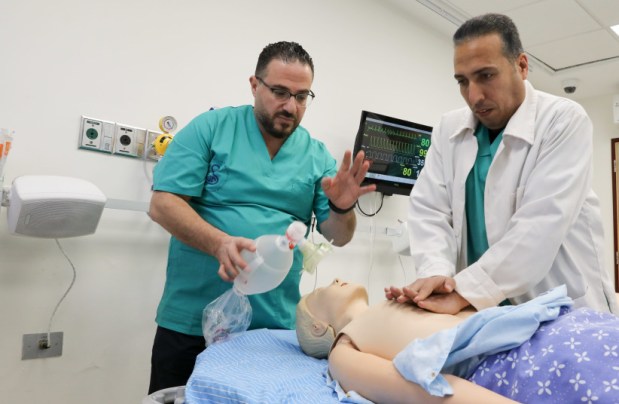
Training To Save Lives. Palestinians, Farid Mustafa from Nablus (left) and Akram Abu Salah from Gaza train on a high-tech mannequin at Sheba Medical Center in central Israel. (photo credit: Marc Sellem)
This ‘life-saving’ training would end each day at 5.00pm whereafter in the evenings, the Palestinians engaged in social activities with their Israeli counterparts.
Four out of five of the Gazan participants had never been outside of the Gaza Strip, so the trip had been quite an experience.
All were amazed by the size of Sheba and the sophisticated training available through MSR.
The 2,400-square-meter Medical Simulation Centerwas founded in 2001 to lead a nationwide effort to introduce new standards and innovative approaches in health care training and patient-safety education for the benefit of the people of Israel. A press release on the center describes the facility “as a virtual hospital” that “encompasses the whole spectrum of medical simulation modalities – from role-playing actors for communication and clinical-skills training to cutting-edge, computer-driven, full-body mannequins that enable team training for challenging and high risk clinical conditions.”
Medical Simulation Center(MSR)atSheba Medical Center, Tel Hashomer.
It was “action stations” – close to real live situations. Teamwork is essential. One of the participants carefully placed an oxygen mask on the $100,000 blonde-haired dummy while another started to perform CPR as a third set a pulse oximeter around the dummy’s finger.
Communicating in English to each other, the Palestinian nurses continued to attempt to resuscitate the mannequin, as their Israeli instructor observed them. Minutes later, the “patient” woke up from ‘its’ cardiac arrest – ‘its’ condition stabilized.
MSR – Simulation of Emergency Department Sheba.
Exposure to this kind of intense and innovative simulated training is invaluable.
Amitai Ziv, the founder and director of the Center for Medical Simulation, said that the courses at the facility aim to allow the health professionals to learn in a safe atmosphere.
Visionary. Amitai Ziv, the founder and head of the Israel Center for Medical Simulation.
With a third most common cause of death worldwide being medical errors – estimates show 250,000-400,000 people die annually in American hospitals because of them – Ziv, a former pilot in the Israeli Air Force, explains:
“The message embedded in the programs here is let us err and reflect on our errors in a safe environment.”
Working Together
“I am very happy for the chance to attend this advanced trauma course. In Gaza, we have plenty of problems, and there is so much we can learn from Israel,” said Abu Salah.
He was clear that the Gazan Ministry of Health “wants to me to absorb this experience in Israel and bring it back to Gaza.”
Salah reveals that hospitals in Gaza are often understaffed and lack basic necessities and medications, including chemotherapy drugs.
No Fuel, No Services. An employee of the Hamas-run health ministry in Gaza at the Beit Hanun hospital in the northern Gaza Strip, after it stopped its services on January 29, 2018, when it ran out of fuel. (Mahmud Hams/AFP)
However, because of the fluid security situation, it is quite a complicated mission bringing the participants from Gaza into Israel. It takes persistence and perseverance.
Despite advanced application and pre-approval, the Gazan nurses were nevertheless delayed entry for a day for reasons of security.
Abu Salah only received the call at 11 p.m. from the Gazan Ministry of Health the night before he was granted entry and told, “tomorrow, you will travel to Israel.”
He was sleeping when he received the call, “but I packed my bag and prepared to go,” he told local media. “My wife knows I am here, but my extended family does not know. I can only tell them when I get back.”
While Salah said in Israel his visit was supported by the Hamas-run health ministry, he admitted to being unsure how he would be received upon his return and uncertain of the questions he might be asked by Hamas officials.
Heartwarming. Together with Israeli instructors, a group of Palestinian nurses from the West Bank and Gaza Strip huddle around a high-tech mannequin that for the sake of the exercise has gone into a cardiac arrest
Going To Gaza
However, its not only Palestinian medical professionals coming to Israel but Israelis professionals traveling to Gaza.
Professor Raphael Walden. Deputy Director of the Sheba Medical Center, in charge of Risk Management, Quality Assurance and Medical Education and recipient of France’s “Officier de la legion d’Honneur”.
Israeli president for Physicians for Human Rights Israel, Prof. Rafi Walden, reveals how nearly every month he helps arrange missions of Israeli doctors to Gaza to perform advanced surgery and provide training to Gaza physicians by Israeli experts in the realms of gastroenterology, oncology and more.
“It’s appalling,” Walden said of the situation in Gaza. “Just terrible conditions. The main hospital in Gaza has empty shelves; they are missing critical medications. There was a time they did not have the liquid needed to clean the skin before surgery. Everything is missing. It is a real humanitarian disaster there.”
Walden believes that despite the challenges, PHR is creating “a microcosm of goodwill and understanding in this crazy situation of conflict. Beside the medical aspect of the work, another aspect no less important is the opportunity to meet with people and establish common ground. It’s a peace building activity – and a little light and the end of the tunnel.”
Physicians for Human Rights Israel covered the costs of the programme as well as the attendees’ expenses including hotel rooms, transportation and meals. Ran Goldstein, the executive director of the organization, said the total cost was approximately NIS 90,000 ($26,000).
Ziv explains that while the courses for the Palestinian health participants aims to substantially upgrade their standards of professionalism, there is also the invaluable benefit of building bridges between Israelis and Palestinians.
“Since Israelis and Palestinians often meet on the killing and battle front, we strongly believe it is important that they meet on the health and education front,” he said, adding that he holds that “professional relationships among human beings can bring about trust and friendliness.”
One 42-year-old nurse from Nablus, Farid Mustafa, said that medicine is a field that transcends political and national divides.
“It does not matter who you are — an Israeli or Palestinian, Jew or Muslim, local or foreigner,” he said. “In health, we see and treat everyone as a human being. We take this approach in our interactions with sick persons and our colleagues here and elsewhere.”
Supporting his sentiment, Farid recounted an incident when he had personally provided first aid to Israelis involved in a car crash near Ramallah in the West Bank two years earlier.
“I saw that two vehicles had collided. I pulled over to the side of the road and helped them,” he said. “When I did that, the identity of the injured persons made no difference to me. All I saw were people in need of aid.”
So too for Ayman Ibrahaim Amaya, a 43-year-old nurse from Qalqilya , who said he hoped he would be able to return to the Center for Medical Simulation in the future.
“This is my first time doing a training in Israel and it has been very beneficial,” he said. “So I wish that it will not be the last.”
Future lives depend that “it will not be the last.”
With the goodwill of people on either side of the divide, it will not be.
The reality of the WhatsApp group chat is as simple as “you can’t live with it and you can’t live without it”.
As a mother, you have no choice but to be involved in a group chat for your child’s class because you cannot afford to miss important information about goings-on. This misinformation may result in an inevitable melt down when your child is the only shmendrik in a coloured shirt when everyone else is wearing white. So to avoid such calamities or worse, we join the group chats. BUT, this is only the beginning… make no mistake, it’s a trap.
Reality Bytes. As a mother, you have no choice but to be involved in a group chat.
Usually there is a group for the child’s grade with the teacher as a member and who is the one to send out any important information. However, there is another separate group just for the parents. It is more acceptable for the second type to have ‘chatter’ whereas the first group is meant for important notifications. This is not the case. It’s all too easy to pop out one quick message but when everyone gets going, before you blink, there are 47 new unread messages. One would think there is a crisis at the school only to discover that Moshe is having a birthday party, and everyone wishes him Mazaltov.
Moreover, this same child of yours probably does one or more extra murals and, of course, each activity MUST have a communal forum for information exchange. Gone are the good old days whereby your child came home with a letter pinned to the back of his or her shirt. I sometimes wonder if my children would actually be capable of relaying any information to me, then I fear that this simple skill might eventually disappear from humanity.
Some of things that are announced on these groups never cease to amaze me. Absolutely everything! Everything from school complaints to the weather, to the latest sale at the local grocery store, warnings of a strange dog running in the road and the all-time winning one was that so and so had found a worm in her rice! My great challenge is saying “who cares” in such a way that I don’t offend anyone!
New Nursery Rhyme. This little finger goes to WhatsApp!
This is just groups pertaining to one child. Bli ayain Hara, I have four children. The traffic flow of messaging in my WhatsApp is multiplied by four! I may as well be an air traffic controller. These groups by the way, could prove to be a real game changer for people considering having more children. This influx of messaging happens on all the groups, all day long. It becomes a lot to deal with when you are trying to manage a stressful life juggling many things all day long. The truth is that a mother has a huge pile on her plate that never seems to clear – much like the dishes in the kitchen sink. After one issue is sorted out, the next one reveals itself. This is most likely the reason the WhatsApp groups are so annoying – because they present the constant nagging cherry on top of a mountain of mental submissions.
What about the unwanted invitation to a group chat?
A friend of mine, Etana Hecht, has coined the term Whatsnapped. (Look it up on urban dictionary). This is where you are added to a group without your consent, and which you now find yourself serving a life sentence trapped within the wallpapers of the app. Exiting this group could label you a snob or stuck up. (Truthfully, I’m sure some would be jealous of the courage that would take). Leaving a group is scandalous and doing so may provoke questions and concerns and even the evil Lashon Hara!! This is not a road one wants to travel on, so we remain, like loyal participants, in the prison chat.
Let’s talk about the struggle IsRael! This, as an olah chadasha (new female immigrant to Israel), is the clincher! My WhatsApp incoming messages are all in a foreign language now – the writing is literally backwards! This is where ‘fast pace’ checks of instant messaging has become a thing of the past. And back and forth trips to google translate quadruple the time spent reading messages!
Keeping In Touch. Let your fingers do the talking.
What once was a lovely ping on my phone indicating that someone, somewhere was thinking of me has now become trigger for anxiety, denial and the perpetual eyeball roll. Upon opening WhatsApp and seeing 57 unread messages no longer makes me happy. In fact, my stress levels shoot through the roof, my hands become clammy and my heart starts palpitating. And because of the Hebrew names and I have to consciously remind myself to check for which child (name in Hebrew letters / grade / extra mural activity (chug) the notification is intended. Furthermore, I think I’ll just mention at this point that the ‘google translation’ is a serious cause for trust issues. Sometimes when I see all the messages, I simply close the app, gently place the phone face down on the table and happily pretend I hadn’t seen anything. Out of sight, out of mind.
Ping-headed. Being part of a parents’ WhatsApp group expect plenty of pings.
Based on a recent Facebook survey, I have put together a list of ‘code of conduct’ rules for group chat users:
Any group created must have an official permission request before adding a person. A strict ‘no offence but no thank you’ is to be widely acceptable without judgement!
All comments made must be beneficial to ALL members of the group, if not, Private message (PM) the person of interest.
Please think 5 million times before you post anything at all. Then reconsider it once more. Should you ultimately decide to send a message, use minimal wording.
We all know its cold out. This does not need to be a public statement on a group and if you haven’t yet put a jacket on your child in 8 degrees, no WhatsApp group message is going to make you a better mother.
Birthday party invitations are always welcome, individual RSVP’s however are not. Please PM these.
Unless you are handing out personal gift vouchers, we don’t care about the 20% sale at the local supermarket, and while we are on the subject, I really don’t know where to buy yellow plums this time of year.
At all times, keep to the topic relevant to the group. I was so busy trying to scroll past ‘how to repair a broken zip’ that I missed the part about the money which needed to be handed in for the school trip.
When your two year old gets hold of your phone and sends a cute voice note, just delete it.
(Optional) Appoint a group birthday person to wish the birthday lady a onetime wish on behalf of everyone. We all have good wishes for you, what we don’t have is 7 hours to sift through all the heartfelt messages. (That is what Facebook is for).
Finally, remember that we all love each other dearly but we do all run very busy lifestyles. We all agree that phone time should be kept to a minimum so that we can focus on more important things. So let’s try keep life as simple as possible for each other.
SEND.
Gabi Crouse – Based in Israel, Gabi writes opinions in fields of politics, Judaism, life issues, current social observations aswell as creative fiction writing. Having contributed to educational set works and examinations, as well as interviews, Gabi will usually add in a splash of humour.
Looking at the best cities for travelers who love street food, the data for its Street Food Index 2019 drew from a survey conducted over three months – mid-July to mid-September – of 92,000 business travelers and 1,400 corporate travel agents in 86 countries.
Preceding Tel Aviv’s 7th’s lot was Singapore which took the top spot, followed by Bangkok, Hong Kong, Ho Chi Minh City, Mumbai and Rome.
The familiar proverb “When in Rome…” apples as much to Tel Aviv, so when in the coastal town ranked by Time Out as the N0. 1 city in the Middle East with “a notorious reputation as a wild non-stop city with a great nightlife and music scene”, tuck into its unique street cuisine.
Despite the availability today in Tel Aviv-Jaffa of cuisine from all over the world, what remains most popular is its signature ‘street food” that is definitively local and an ‘appetizing’ introduction into Israeli culture.
Letting Loose In Levinsky. Like these young folk, the Levinsky Market is the perfect place to refuel your body and soul.
After exploring antiquities to art galleries and still have an ‘appetite’ for more, where better to sink your teeth deeper into Israeli culture, then trying its cuisine, and where better to take your first bite than on Tel Aviv’s bustling, pulsating streets.
Blaming the weather for all manner of things is fashionable the world over. Less so in Israel!
It may be that our tasty, popular street food is indebted to Israel’s perennial sunny and warm weather. The fact that one can walk outside and eat outdoors, has created an easy laidback cuisine that gels with the Israel temperament – open, candid and ‘catering’ for loud and boisterous conversation.
Most countries have some indigenous street food, so what’s Israel’s most popular and where best to look?
Some Like It Hot!
The one indisputable street food that has developed into a national dish is falafel. These are balls made of hummus and spices and fried in deep oil.
It is usually served in a fresh pita (round pocket bread) with a variety of salads, tahina (paste made from ground, hulled sesame seeds) and pickles, and if you enjoy fiery hot sauce then you must add skhug (a hot green or red Yemenite chili sauce). Folk with more sensitive palates might dismiss this relish more suitable for gas tanks than gullets, but for most seasoned falafel eaters, it’s a vital component.
“You don’t eat a hot dog without mustard. Same as falafel – you add skhug,” says Avi from Ramat Gan, who the writer met tucking into his falafel in pita at Dr. Shakshuka in Jaffa. “This is one of my favorite places for falafel and Shawarma,” says Avi. His wife Ruti was tucking into a shawarma, but without the skhug. “Not for me,” she says, with Avi adding, “she’s hot enough already!”
Passport To Pleasure. Young visitors from the USA on the Taglit Birthright programme get a literal taste of Israel enjoying falafel in pita. (Photo by Justin Dinowitz)
If in the typically Israeli family of street-food, falafel is the favourite son, then its favourite daughter is shawarma. It comprises cuts of meat (usually turkey, but originally shawarma was made of mutton) which is packed into a pita or laffa (a large Iraqi pitta, which one fills and rolls like a huge taco), with salads and French fries. And if you are wondering why the French fries, it’s a case of mid-east meets west.
Street Aroma. GPS in Israel – follow your nose. (Photo by Jonathan Kramer)
One of the most popular ethnic eateries in Jaffa, Dr. Shakshuka takes its name from the dish Shakshuka, which is a pan-fried casserole of poached eggs and spicy tomato sauce, the restaurant’s most popular dish. Dr. Shakshuka’s many versions of this dish emanate from Libya and have solidly cemented a reputation in Jaffa over three family generations in the business.
Tasty & Tangy. Shakshuka meaning “mixture” in Berber languages, is a North African dish of eggs poached in spicy tomato sauce with vegetables.
Believing they are “specialists” in this cuisine, explains the “Dr” in the restaurant’s name. But there’s much more here to enjoy: Tripoli-style couscous with mafrum (potato stuffed with ground meat, served with stewed beef and vegetable soup); stuffed vegetables; kishke (North African-style intestine stuffed with meat and rice); grilled lamb patties; and fresh grilled or fried fish. Main courses come with a spread of fresh pita and eight Middle Eastern salads.
Inside Story. Off the sidewalk in Jaffa you enter the alluring world of the famed Dr. Shakshuka.
Best Kept Secret
While hummus, falafel, and even shawarma, are well-known outside the Middle East, sabich – described by one food critic as “the ultimate Israeli street food” – remains one of the country’s best-kept secrets.
Sabich is a pita stuffed with fried eggplant, hard-boiled eggs, hummus, tahina, and vegetable salad, while some versions contain boiled-potatoes as well. Pickled cucumbers, chopped parsley, and onions seasoned with purple sumac are usually added, as well as the sauces skhug oramba.
While making sabich may seem simple enough, true lovers of it say that preparing it “just right” is an art form that few truly master. One, who according to Tel Aviv folklore has earned this title of ‘master’, is Oved Daniel, referred to as the “Diego Maradona of Sabich”. Like the revered Argentinean who dominated football in his day, Oved, has been dominating Israel’s sabich scene from his little corner on Sirkin Street in Givatayim, adjacent to Tel Aviv, for nearly three decades. Customers are reputed to flock there from all over the country. Tel Avivians now no longer have to make the trek as Oved subsequently opened a branch in Tel Aviv on Karlebach Street.
Sabich ‘Say No More’. While falafel enjoys all the street food fame, its lesser known cousin – sabich – is not far behind. It is a glorious synergy between pita bread, egg, eggplant, vegetable salad, with humus tahini and amba.
Oved reveals that “People eat here from all over the world, and many ask about opening branches in the States. I tell ’em, “Forget it, it can’t be done!” They won’t be able to find the right ingredients and importing them will impair the quality.”
Oved offers a sound solution to their problem – “Visit Israel often
While some might assert that hummus and falafel are essentially Arab dishes ‘adopted’ by Israelis, sabich is unarguably a local Israeli concoction. The core ingredients can be found in the traditional Shabbat-breakfast of Iraqi Jews, but the idea of putting them into a pita and eating them as a sandwich is purely Israeli. Apparently, the credit for this culinary achievement rests with one Sabich Halabi, an Iraqi immigrant who opened what is believed to be the first sabich stand in Ramat Gan in 1961.
One central quality sabich eatery is on the corner of Dizengoff Street and Frieshman Street simply called – Sabich Frishman. It is reputed to be the first place that locals recommend, and as one food critic wrote:
“If lines and smell give any hint of quality, it’s hardly a surprise why.”
While many of these street food eateries are referred as “hole-in-the wall” establishments, one must not be put off – this is part of their charm, and often the less attractive on the outside, might be a cover-up for the best food in town. This is typical of Tel Aviv cuisine deception.
Another top Sabich establishment that comes highly recommended is Sabich Tchernichovsky whose food one food critic described, “rivals my grandmother’s.”
Could you ask for a better endorsement?
He continues:
“From the moment you walk in, you know you’re in good hands. Despite the ever-existent line, the employees take their time constructing each and every sabich. Each ingredient is layered artfully in the perfect pita, providing the ideal combination of flavours in every bite. The delicious eggplant is thin and crispy, packing a flavourful kick with its unique and unidentifiable seasoning. It combines well with the soft creaminess of the boiled egg and pickled flavor of the amba.” There is also the option of ordering your sabich with a cheese that “is both gentle and tart, balancing the smoky eggplant and flavourful egg yolk.”
Yemen On The Yarkon
Included in the long list of tantalizing Israeli delights, dishes necessitating salivating overseas visitors to board a plane is Jachnun, described as “heavenly Yemen pastry.”
While Jachnun is available at eateries across Tel Aviv, you may want to enjoy it in an absolutely authentic setting – its Yemenite Quarter.
Yemenite Jachnun
A charming, twisting enclave of cobblestone streets, low-slung buildings and some of the best home cooking, Tel Aviv’s Yemenite Quarter – also known as “Kerem HaTeimanim” or as locals call it “The Kerem” – is one of the world’s last thriving communities of Yemenite Jews.
Described poignantly; as well as poetically by Debra Kamin in Fodor’sTravel as “a community with a stopped clock…. where stout grandmothers stir rich, cartilage-thick soups and gossiping neighbors gather in courtyards under the hush of flowering pink mulberry trees,” where better that to savor Yemenite cuisine and in particular Jachnun.
Take A Jaunt For Jachnun. For authentic Yemenite street food cuisine venture to the colourful neighbourhood of Tel Aviv’s Yemenite Quarter.
Left in a slow oven overnight, Jachnun is prepared from dough which is rolled out thinly, brushed with shortening (traditionally, clarified butter or samneh), and rolled up, similar to puff pastry. turns a dark amber colour and has a slightly sweet taste. It is traditionally served with a crushed/grated tomato dip, hard boiled eggs, and the traditional hot sauce Zhug. The dough used for Jachnun is the same as that used for the Yemini flatbread – malawach.
Another delight, malawach resembles a thick pancake consisting of thin layers of puff pastry brushed with oil and cooked flat in a frying pan. It is traditionally served with hard-boiled eggs, Zhug – of course – and a crushed or grated tomato dip. For those who prefer a sweet taste, it is frequently served with honey.
A staple of Yemenite Jews in Israel, it has become a favourite “Street Food” for all Israelis irrespective of background or ethnic origin.
Best GPS – Your Nose!
No serious ‘explorer’ of Israeli street food can avoid a visit to Abulafia in Jaffa. It’s almost ‘universal’ popularity is best expressed by an overseas patron sounding more like a frequent ‘pilgrim’:
“Here are your directions. (1) Board plane for Tel Aviv, (2) Clear immigration and customs, (3) Ask taxi driver to take you to Abulafia. You could tell him that it is in Jaffa, but he already knows.”
Pastries For Peace. One blogger wrote that the iconic bakery ‘Abulafia’ in Jaffa “owned by an Israeli-Arab family and staffed by Jews, Christians, and Moslems, is a place where people of all religions both literally and metaphorically break bread together every day.”
Open 24-hours a day, this street-side bakery has been located at the same corner in Jaffa just south of the Jaffa clock tower since 1879, and there are always crowds ordering at the counter. It’s hard to walk past without stopping to order, the smells draw you in, and “once hooked, you’re an addict,” said one customer from Holon who was buying to take home a huge supply of fresh and flavored pitot, bagels, sambusak (stuffed pastry with mushrooms, egg and different cheeses), and a variety of sweet confectionary. “Was it for a party?” I curiously inquire.
“Nope, I have a big family with healthy appetites.”
And while in Jaffa, one must try the local bourekas, a puffed pastry introduced mainly by Jewish Bulgarian immigrants. Its filling is either white cheese, potato or mushrooms. While it’s as easy to find bourekas in Israel as it is to track down falafel, however, just like snowflakes, no two are alike. And like the quest for the best falafel, shwarma or sabich, bourekas-makers have their “to-die-for” customers.
On The Ball. Known as the “Diego Maradona of Sabich”, Oved Daniel serves his world famous sabich.
‘Bourikas Leon’ on Oleh Zion Street is the oldest Bulgarian bakery in Jaffa. The owner Avi Cohen is a third-generation Bulgarian in Israel and the bakery, named after his father, was started by his ‘Grandma Julie’ who arrived in 1948 “and was the first to make the phyllo pastry that people would come from all over Israel to buy. This was even before she went into the bourekas business.”
Tastes Divine. Heavenly little parcels of dough crisped with hot oil or melted butter and stuffed with any number of delicious savory ingredients, Bourekas are nothing short of edible perfection. Like Italy’s calzone, Spain’s empanada and India’s samosa, these nutritious and filling pastries are the perfect portable snack while browsing through Tel Aviv’s shuks (markets).
Is bourekas still such a popular food today?
“Absolutely,” answers Avi. “Each year we have more and more new customers while still keeping our local, loyal customer base. It’s funny,” he says, “many of the young people who come today for a bourekas are the children of my father’s customers and the grandchildren of customers ‘Grandma Julie’ served.”
Street Wise
While street food is generally labeled ‘fast food’, and assumed unhealthy, this is not necessarily the case in Israel, where Israelis tend to eat more turkey than red meat, and always accompanied by mounds of fresh salad. It’s practically unheard of to have a meal in Israel – whether at a restaurant or a sidewalk eatery – without lots of salad.
This is why cities like Tel Aviv are vegetarian and vegan friendly.
Most people might not know but Tel Aviv is considered to be the world’s VEGAN capital! There are over 400 vegan-friendly places in Tel Aviv and new ones popping up every week or so that “vegan-friendly” means at least 25% of menu items are plant-based.
Hot Off The Pan. Offering fresh Bourik at Tel Aviv’s Carmel Market.
While the Tel Aviv’s ‘Street Food’ scene, cannot escape the big-name international chains such as the hamburger behemoths, they however, do not dominate the market. They may allure their customers by illuminating their presence with big, bright colorful lights; still, they are no match still for the small, unassuming sidewalk eateries attracting their loyal customers by offering quality, wholesome Israeli street cuisine.
People in Tel Aviv certainly love their side-walk food.
Join ’em!
Shuk’ing Time. Enjoying food on the walk in Tel Aviv’s Shuk HaCarmel or Carmel Market. (Photo by Matthew Scott)
Tatas, boobies, knockers, bazooms, tits, the twins, breasticles or whatever you like to call them, October is Breast Cancer Awareness month. A whole month has been dedicated to raising awareness of breast cancer but this is something that we should be aware of everyday. Did you know that one in eight women will develop this and it is the most common type of non-skin cancer?
One in eight women will develop breast cancer in her lifetime. Israeli scientists hope to improve the odds. (Photo by http://www.shutterstock.com)
Men are not immune to breast cancer either and reports of diagnoses are not uncommon. Early detection is imperative and the good news is that if diagnosed early enough it can be beaten!
Gents, you should also be doing the routine checks for lumps as well!
Although breast cancer seems to be more prevalent in Western Europe, Australia, New Zealand and Northern Europe, Israel has taken a leading role in researching causes, diagnostics, and treatments – with groundbreaking results!
Let’s explore some of the ways that Israel is leading in this field.
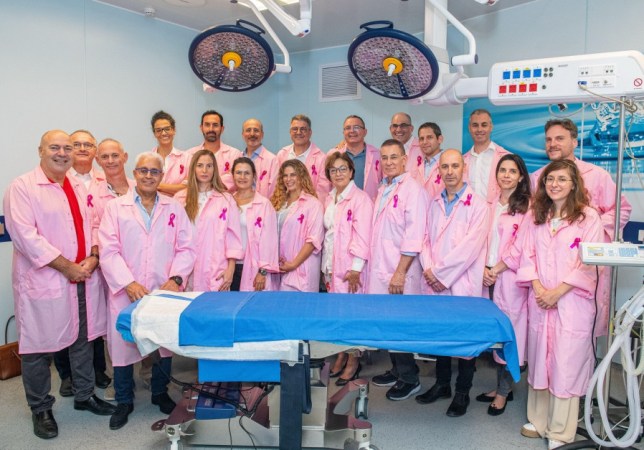
True Colours. Israeli Society of Plastic & Aesthetic Surgery wear pink for Breast Cancer Awareness Month. (photo credit: ISRAEL HADARI)
MarginProbe
Israel’s Dune Medical Devices has developed an instrument to help women with breast cancer avoid undergoing dreaded follow-up surgery to remove residual cancer cells after a tumour is removed. It can be quite a long (and stressful) process waiting for results. This device is already being used by surgeons on patients in more than 100 hospitals in the US and in Israeli medical centers.
Dune Medical’s MarginProbe reduces amount of follow-up breast cancer surgery (Courtesy)
The MarginProbe device consists of a hand-held gadget that looks like a large pen or ultrasound instrument and a console. After the tumour is removed and while the patient is still on the operating table, the surgeon uses the probe to check the margins of the just-removed tissue. Sensors on the probe send signals to the tissue, and a further signal – both visual and acoustic – is then reflected back, indicating either positive, i.e. there are still cancerous cells on the margins, or negative, giving the all-clear to close up the patient.
With MarginProbe, surgeons can assess the tissue in the operating room to give them greater confidence that they successfully removed all the cancer in the first lumpectomy surgery.
“We have developed the only technology in the world that has a commercial product that allows surgeons in operating rooms, in real time, to check the margins of the tumour, identify cancerous tissue and decide on the spot if more tissue needs to be removed or not,” General Manager of Israeli Operations, Gal Aharonowitz, told The Times of Israel.
Chief Operation Officer and General Manager Israel, Gal Aharonowitz, leads R&D, manufacturing and worldwide logistic activities of Dune Medical Devices. An industry veteran with more than 18 years of experience in leading product development and engineering teams, Gal earned a BSc degree in mechanical engineering from Ben-Gurion University in Israel.
IceSense 3
The IceSense is a medical device that is used to freeze tumours. Made by IceCure, the device is already being used by US doctors to destroy benign lumps.
The cryoablation process takes five or ten minutes under local anesthesia in a doctor’s office, clinic or breast center. No recovery period or post-care is necessary and there is no scarring!
Tel Aviv University (TAU) researchers embarked on a research project aimed at trying to block a cancer cell’s ability to change shape and move. In their research, they delivered microRNAs (small RNA molecules) to primary tumours in mice to halt the spread of cancer. Cancer cells spread by altering their structure in order to squeeze past other cells, enter blood vessels and travel to organs like lungs, the brain or others.
The researchers explored the mutations in a tumour to identify precisely which ones to target. The scientists then procured an RNA-based drug to control cell movement and created a safe nano-vehicle with which to deliver the microRNA to the tumour site.
Global Issue. US Ambassador to Israel, David Friedman and his wife Tammy (right) stand before the USA Embassy building in Tel Aviv illuminated in pink in honor of Breast Cancer Awareness Month.
Of Mice And Men
Two weeks after initiating cancer in the breasts of their rodent “patients”, the researchers injected a hydrogel into primary tumor sites that contained naturally occurring RNAs to target the movement of cancer cells from primary to secondary sites. Two days after this treatment, the primary breast tumours were destroyed.
The mice were evaluated three weeks later using CT imaging, fluorescent labeling, biopsies and pathology. The researchers discovered that the mice that had been treated with two different microRNAs had very few or no metastatic sites, whereas the control group — injected with randomly scrambled RNAs — exhibited a fatal proliferation of metastatic sites.
If it could be successful in mice, imagine how it could be adapted to humans!
These are just a snapshot of the many ways that Israel is contributing in the fight against Breast Cancer.
Code Pink. Israeli jet fighter painted pink to bring attention to the ‘battle’ against breast cancer.
So, wear your pink ribbon with pride this month and make sure that whatever you decide to call them, you check your breasts regularly.
Paradise for some, hell for others – Tel Aviv’s electric scooter craze
ByDavid E. Kaplan
You cannot escape them!
Walk down any street in Tel Aviv, and you’re most likely to be overtaken – not to mention overrun – by electric scooters. For many pedestrians – from young parents pushing prams to seniors strolling with extra care – a common opinionated exclamation:
“They’re a menace!”
Some may animatedly add an expletive before the word: “MENACE”!
Not so, says Yair who the writer briefly interviewed at a traffic light along Tel Aviv’s famed Dizengoff Street. “It’s a pain taking the car, getting stuck in traffic and then hassling to find parking; you can waste half your day!”
Adjacent to him on her scooter was his wife, Lucy, appearing notably pregnant.
Facing the reality that soon there will be three in the family, “I suspect this might all change very soon,” said Lucy with an all-knowing maternal smile.
For the most part, residents in Tel Aviv, are embracing electric scooters and their smart-phone rental systems, using them to zip along avoiding the heavy traffic. Tourists are catching on too.
“Julie, where have I caught you,” I asked my friend visiting from abroad. “On the way to the beach on a hired electric scooter,” she replied.
A few years ago, I would have been surprised – maybe even shocked.
Not today!
Movers & Shakers. As electric scooters take over the world, Tel Aviv stands first in line.
It’s a lot quicker and cheaper than the alternatives such as a bus or taxi. “It’s so convenient and accessible” all users agree. The app on the phone informs where the nearest available scooter is located.
“It’s so easy; I go to the beach, I stop there, I use the app and that’s all. Also, its fun.”
Tel Aviv lends itself to this trend.
Tel Aviv had already adjusted to the two-wheel trend building bike lanes all around the city. The city has approximately 70km of marked bike lanes. Some of them are on sidewalks in the city and some are outside the city center, in the neighborhoods and parks.
The sunny weather, flat landscape and constant traffic jams make the scooters an appealing option.
There are now around 7,500 electric scooters available, in addition to the thousands of bicycles and electric bikes already on the streets.
Doing It My Way
The industrial designer who started it all is Nimrod Sapir, responsible for Inokim, the lightweight, folding electric scooter brand that’s taken Tel Aviv, and much of Israel, by storm. In Japanese “Inokim” means “speed” and Sapir is a guy on the move – and in a hurry!
A Quickie. Inokim’s Quick-3 e-scooter can be folded in three seconds. Photo: courtesy
As he told ISRAEL21c “I’m always cycling, rollerblading, roller-skating. It’s a personal thing for me; I always want to get to places quickly.”
Turned-on by the electric scooter way back in 1999, “still with the old batteries and antiquated motors,” he became hell-bent on creating a better product, and launched his first electric scooter in 2011 under the brand name MyWay. This was before moving on to partner with Israeli entrepreneur Kfir Ben Shushan in 2014, changing the brand name to Inokim and driving up sales.
Today, the folding e-scooter is shaping the future of urban transport.
Easy Rider. On the way to work in a suit, this rider holds his folded Israeli Inokim electric scooter at a railway station.
The two other main brands currently operating in Tel Aviv are US Bird and German Wind.
Bird recently announced that about 250,000 people have used its app-based, dockless e-scooter-sharing service in Tel Aviv for more than two million rides since August 2018.
On The Boardwalk. Popular way to enjoy Tel Aviv’s scenic promenade adjacent to the Mediterranean is by electric scooter.
Bird Israel general manager Yaniv Rivlin says, “Israel was selected by the company’s managers as one of the first targets for expansion outside the US.”
Ben Shuhan is not deterred by the many competitors in the market. “Demand is much higher than supply, and we think it will increase. This is a supplementary transportation solution that more and more people are adopting. Today, the problem is finding an available or charged e-scooter for riding, especially near the railway stations, which are the places with the highest demand. Among the competition, it’s hard to find an e-scooter fit to ride in the afternoon. There’s room for more players.”
Why have electric scooters become so popular?
Sapir emphasizes “You need no skills – it’s easy to use, easy to ride, easy to get from place to place.”
This is why, he contends that scooters are still leading over other electric mobility options such as electric bikes and hoverboards.
Furthermore, “None of them are as safe as an electric scooter, where you hold a bar in your hands. That gives you a very great feeling of comfort and safety.”
On Track. Inokim electric scooter inventor Nimrod Sapir rides one of his creations on a railway platform in Tel Aviv.
Solution Not The Problem
Asked by, Globes that with Israeli sidewalks becoming increasingly crowded, whether the trend is sustainable in the long term, Ben Shushan replied:
“We’re trying to form as many partnerships as we can with several mayors. The municipalities can also profit and realize that we’re the solution, not the problem. In any case, we’ll work strictly according to regulations, so we also reached agreements with 500 businesses, including 150 parking lots in Tel Aviv, that we can use as stations for renting if we can’t leave them spread around the public space.”
To the question whether renting detracts from marketing e-scooters for sale, Ben Shushan, replied not at all.
“Since our competitors entered the market, our sales have grown by 30%. Awareness of e-scooters has only increased. Here, too, it’s a win-win situation for us.”
“We want to be in every big city in the world, focusing on businesspeople for transportation in downtown areas. You can carry it with you on the train or bus, or you can put it in your trunk and park your car outside the city for far less.”
Designed in Israel, Inokim electric scooters, are sold in 15 countries as a smart green solution for mobility in large cities.
Sapir has won several industry awards as the first electric scooter designer to overcome the tradeoff between performance and weight: Inokim scooters are not only attractive and robust but also quick-folding and lightweight.
“That’s why we stand out,” he told ISRAEL21c.
Electrifying. This young Tel Avivian is going places on her electric scooter.
Streetwise
Apart from the three obvious factors for the electric scooter’s popularity in Tel Aviv:
easy parking
quick arrival at destination
ideal climate
Sapir adds that the electric scooter is a perfect fit with the Israeli mindset. “Israelis are lazy about walking, always in a hurry and always trying to do too many things at the same time” – the ideal
candidate. And then, when you further add to this cauldron of personality traits that “Israelis are also very fast to adopt technologies or new trends,” it goes a long way to explain why electric scooters are so prominent on the country’s urban roads.
Its impact on city life is immense, Sapir notes.
“First of all,” he says, “I’d like to think it is reducing the four-wheeled cars in the city, and I believe it has. You can imagine that all the users of these electric scooters gave up other ways of transportation.”
Secondly, he’d like to believe that some people have even given up their private cars thanks to the scooters, “which they can easily fold up and carry on the train or bus and take to the office.”
The popularity, he contends, leads to the third observation, and that is the age ranges of users.
“Before, I would say it was 30 to 45, but now there’s no limit,” he says.
“Young people use it; old people use it — there’s really no limit.”
What’s the inventors favorite scooter route in the city?
“The tayelet from Tel Aviv Port to Jaffa. I always take my visitors there,” he says, referring to the city’s seaside promenade.
“It’s very unique,” he adds. “You have the city on your left and the beach on your right.”
Upward Mobility. Popular way to enjoy Tel Aviv’s scenic promenade adjacent to the Mediterranean is by electric scooter.
In The Family Way
At a beachside restaurant, the writer coincidentally bumps into again Yair and Lucy enjoying a lavish lunch. Beside their table laden with food are parked unobtrusively their two electric scooters.
Methinks in a few months’ time, when they may be back at the restaurant, adjacent to the table will be in place of the two scooters – one baby pram!
150 South African children will receive “Wheelchairs of Hope” from Israel!
By Tamar Lazarus acting co-president of WIZO South Africa
In South Africa, the statistics are grim. Children with disabilities are among the most neglected groups in the country and the majority of these children face enormous economic and social barriers that have an adverse impact on their physical, social and intellectual development and wellbeing.
The simple provision of a wheelchair is something completely out of reach for most!
Identifying the need to help, WIZO South Africa has joined forces with an Israeli NGO or non-profit, called WHEELCHAIRS OF HOPE to bring 150 child-size wheelchairs that will give these children the dignity of mobility.
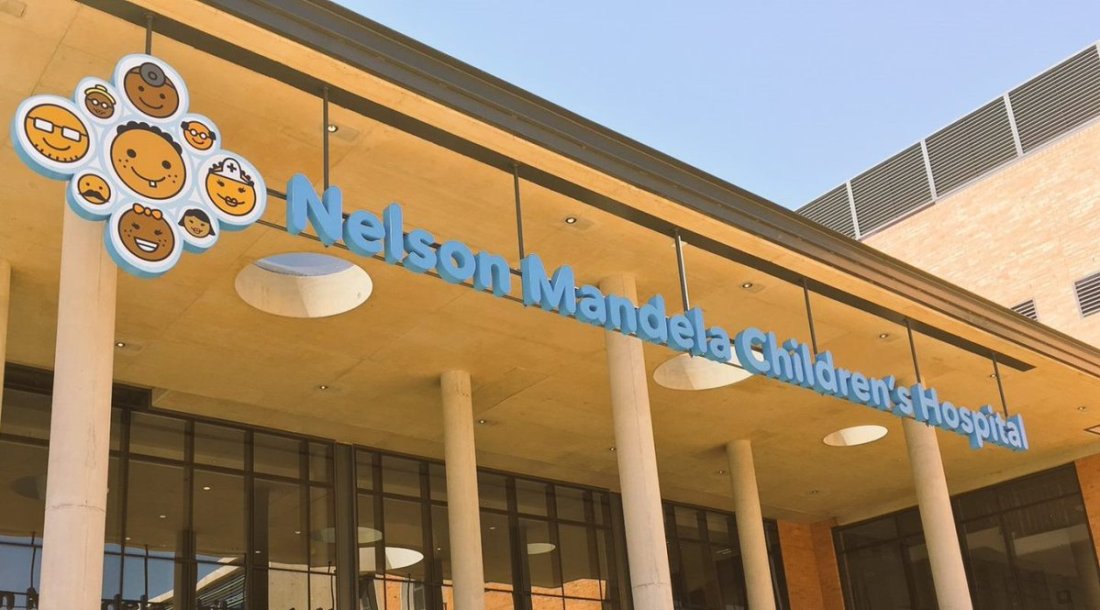
A Moving Gesture. The Nelson Mandela Children’s Hospital Johannesburg, Gauteng, have received through WIZO South Africa, lightweight, reliable and child friendly wheelchairs from Israel.
“Wheelchairs of Hope”, is dedicated to providing children in developing countries with lightweight, reliable and child friendly wheelchairs. These wheelchairs have become more than instruments of mobility – they have become chariots of hope, helping these children to win battles and gain access not just to education but to friends and peers as well.
For some of these children, the only way to get around is to crawl.
“Our wheelchair is specifically designed for children, as we wish to empower education through mobility,” explained Pablo Kaplan who together with his life partner and co-worker Chava Rotshtein founded Wheelchairs of Hope in Israel in 2009.
“Mobility from early childhood is a gate to education. By giving access to education we create a new generation with better skills, confidence and hope.”
Prime Movers. Pablo Kaplan who with Chave Chava Rotshtein founded ‘Wheelchairs of Hope’ in Israel in 2009.
In 2013, Kaplan and Rotshtein presented their idea at the opening day of the United Nations General Assembly and were selected to serve on UNICEF’s task force for assistive technologies.
This inspired WIZO South Africa to ensure that we could help as many of our vulnerable children as possible.
WIZO Cape Town recently donated four wheelchairs to the Paediatric Oncology wards at the Red CrossWar Memorial Children’s Hospital and Tygerberg Hospital as part of its local outreach programme. This is just the latest in a series of wheelchair donations.
WIZO Impact. The writer Tamar Lazarus (right) with WIZO SA colleagues at Tygerberg Hospital in Cape Town.
The child-size chairs will give those patients who cannot walk, dignity, control and self-reliance, which are often compromised by having to rely on other people to move them around.
The wheelchairs are not just practical – but attractive. Aimed at children aged five to nine-years who are able to push themselves, these colourful, ergonomically designed wheelchairs are light-weight and robust to handle urban and country terrains. The ‘WHEELCHAIRS OF HOPE’ wheelchairs were developed by specialist Israeli doctors and engineers from ALYN Hospital, Israel’s leading paediatric and adolescent rehabilitation centre, with the simple wish to “empower education through mobility”.
A Touch Of Class. An Israeli ‘Wheelchair of Hope’ is seen here in a South African classroom.
From Israel With Love
The donation of these bright and colorful wheelchairs from Israel, offers these young South African children the life-changing gift of mobility, and self-reliance. They will also be a great help for staff and nurses who care for these precious youngsters.
We often take the ability to move in our home and community for granted – and with that, the ability to learn, interact with others, and participate in family life. We are so pleased that we are able to assist, for now, 150 children with mobility impairments, and give them these’ WHEELCHAIRS OF HOPE’ to enable them to lead active and fulfilling lives.”
So far, the recipients of the WHEELCHAIRS OF HOPE wheelchairs are:
Maitland Cottage Children’s Orthopaedic Hospital, Cape Town
Nelson Mandela Children’s Hospital, Johannesburg
Red Cross Hospital Paediatric Oncology ward
Tygerberg Hospital Paediatric ward
Charlotte Maxeke Hospital Oncology ward
Special school Bolwar
‘Give a Child a Family’ organisation, Margate
Open air school Durban
Athlone school for the blind
Individual children who otherwise would not have access
The Magnificent Six. Empowered by mobility, these smiling children at Harding Special School in Kwazulu Natal each with their Israeli wheelchairs donated by WIZO South Africa.
We know that the receipt of these wheelchairs from Israel will have a truly lifelong impact on these kids – and their entire family unit will be transformed by the gift of the basic human right of mobility.
A Kid On The Move. Young child on his Israeli Wheelchair of Hope’ inside the Paediatric Oncology Ward at Tygerberg Hospital in Cape Town.
WIZO SA will be seeking additional donors to become part of this excellent initiative.
If you would like to donate, or recommend a suitable recipient, please contact our offices 021 4646700 ext 131 or email us at wizosa@ctjc.co.za.
Tamar Lazarus is the acting co-President of WIZO South Africa
Medical Marijuana – Israel’s growing “HIGH-tech” leader
By Rolene Marks
Israelis are renowned for being high on life. In fact, Israelis rank very high on the UN’s happiness index, coming in at number 11, far higher than our US and British friends.
Could it be that there is a secret to being happy and chill in the most volatile region in the world?
“Doobie”, “blunt”, “chronic”, “wacky baccy”, “Mary Jane”, “dope”, “ganja”, “weed” or whatever you call it, cannabis is inspiring one of the fastest growing industries in the world and Israel is leading the way.
In 2016, the Israeli government announced that it will expand the number of doctors trained and authorized to prescribe medical marijuana. In January of 2017, the government announced plans to decriminalize personal marijuana use and in February a government committee approved cannabis export.
Israel Riding High. Israel’s blooming medical marijuana industry. (photo by Kobi Gideon/FLASH90)
In April 2019, Israel’s largest medical cannabis company, Breath of Life filed their preliminary prospectus for listing on the Toronto Stock Exchange (TSX).
The company, also known as BOL Pharma, would be the first Israeli medical cannabis firm to list its shares on the TSX. Kalytera Therapeutics Inc., also an Israeli medical cannabis firm, has shares listed on the TSX Venture Exchange, Canada’s public venture capital exchange for emerging companies.
High Profile. An agricultural engineer inspects quality marijuana plants at the BOL (Breath Of Life) Pharma greenhouse at medical cannabis plantation, near Kfar Pines in northern Israel. (Jack Guez/AFP)
Cannabis can do’s!
Israel is a world leader in cannabis technology for a variety of reasons. When it comes to medical marijuana research, Israel is one of the leading cannabinoid centres, attracting interest from around the world and experts are descending on the tiny state to learn more.
Am Yisrael high?
Israel is a start-up and hi-tech powerhouse so why should adapting this to suit the needs of cannabis tech be any different?
What is the secret that Israelis have cottoned on to that is making medical marijuana a fast-emerging market that many want to invest in?
Israeli scientists are among the world leaders in modifying marijuana’s molecular structure to tailor cannabinoids to specific receptors for treating symptoms of disease.
Top Grade. Inside the greenhouse of Israeli medical marijuana company Seach, Israel, January 30, 2019. (photo Eyal Toueg)
Agricultural technology such as drip irrigation is being tested and used successfully in the growing of cannabis crops before being used on other similar plants.
The decriminalization of personal marijuana use has also allowed the Israeli government to regulate medical marijuana and make it more accessible and available by prescription at pharmacies.
“Cannabis should be considered, so far as possible, in the same manner as any other medicinal product, requiring supervision and regulation in order to protect public health and welfare, even when taking into account its special characteristics — being a plant rather than a product manufactured in a laboratory or factory,” according to the Health Ministry’s Medical Cannabis Unit.
It turns out that the munchies can prove to be medicinal!
There are many ways to take your medicine. Short of the traditional way, Israeli tech experts have devised new and creative ways to take your daily dose. A variety of delivery systems have been invented such as tablets, a patch, a nasal spray or a cigarette making it easier to regulate dosage.
Major pharmaceutical companies are also getting in on the medical marijuana action and have come up with solutions or devices to help patients.
How Green Is My Valley. Yuval Landschaft, head of the medical cannabis unit of the Israeli Health Ministry, shows marijuana plants growing under tightly controlled climate and light conditions, at a farm in central Israel. (Tracy Wilkinson / Los Angeles Times)
* Teva Pharmaceutical Industries agreed to market medical cannabis for pain management in Israel with a revolutionary selective-dose pharmaceutical-grade medicinal plants inhaler from Tel Aviv-based Syqe Medical.
*Israel-American company Cannabics Pharmaceuticals is working to put the medicinal compounds of cannabis into a sustained-release capsule in standardized doses.
* Australia-based PhytoTech Medical is developing an adhesive patch with medical cannabis, based on Hebrew University technologies.
Different strains treat different conditions, and did you know that you can even grow your own. For medicinal purposes of course…
The blooming cannabis industry is expected to grow exponentially in the years to come. In the United States, the industry already boasts a $5.7 billion market.
Israel’s growing marijuana high-tech industry proves that the grass is greener on the other side – even in the desert!
Thai High. Senior Thai officials visit Israel in February 2019 to learn about medical cannabis cultivation (Photo: Israeli Economy Ministry)
Potential New Israeli Treatment ‘targets’ Metastatic Pancreatic Cancer
ByDavid E. Kaplan
While South Africa’s premier university, UCT makes international news of its proposed boycott of academic institutions in Israel, alumni of Israeli universities are making far more remarkable news seeking to save rather than destroy lives.
The irony is that some of these Israelis who are in the vanguard of groundbreaking medical research are former South Africans!
Gastro-Intestinal Malignancies Expert. Doctor Talia Golan, is Medical Director of Early Phase Clinical Trials Programme and Medical Oncologist at Gastrointestinal Unit, Chaim Sheba Medical Center, Tel-Hashomer, Israel
One such is medical oncologist Dr. Talia Golan, a graduate of the Sackler Faculty of Medicine at Tel Aviv University (TAU) is the head of Sheba Medical Center’s Pancreatic Cancer Center.
While UCT conducts itself at the southern tip of Africa hardly befitting its historic moniker “The Cape of Good Hope”, Israeli researchers headed by Dr. Talia Golan are offering genuine “Good Hope” for some pancreatic cancer patients. A world-renowned specialist and researcher in the field of pancreatic cancer, Dr. Golan is also the director of Phase I clinical trials unit at Sheba’s Pancreatic Cancer Center.
Having immigrated from Pretoria, South Africa with her parents Dr. Alfie and Dr.Myra Feinberg – prominent physicians in their own right – when she was 13 years old, Dr. Golan today is in the front lines of battling pancreatic cancer by striving to find the “magic bullet” that could possibly cure several forms of the disease in the near future.
In 2017, Dr. Golan was already feeling confident. “I believe the changes in the way we treat pancreatic cancer, using new and innovative technologies, will result in the emergence of game-changing drugs in the near future,” adding that “these treatments will target the specific gene mutation that causes the cancer, re-engineer it, and eliminate it as a threat.”
That “near future” may have arrived.
Potential Power of Polo
Last week in June 2019, the research team headed by Dr. Golan at Israel’s Sheba Medical Center at Tel Hashomer, announced that a targeted cancer therapy drug they developed together with two of the world’s largest biopharmaceutical companies AstraZeneca and Merck & Co.Inc. – known as POLO – offers “potential hope” for patients with a specific kind of pancreatic cancer, as it delays the progression of the disease.
Top Ten. Sheba Medical Center or Tel HaShomer Hospital in Tel Aviv is ranked as one of world’s top 10 hospitals.
“The POLO trial using the medicine Lynparza offers potential hope for those who suffer from metastatic pancreatic cancer and have a BRCA mutation,” explains Dr. Golan. “This treatment also exemplifies the advent of ‘precision medicine’ based on a specific genetic biomarker, BRCA 1 & 2.”
Pancreatic cancer is the 12th most common cancer worldwide, with 458,918 reported new cases in 2018 alone. It is the 4th leading cause of cancer death, and less than 3% of patients with metastatic disease survive more than five years after diagnosis. It is difficult to diagnose pancreatic cancer early, as often there are no symptoms until it is too late. Around 80% of patients are diagnosed at the metastatic stage.
So, what are BRCA Mutations?
“A Huge Thing”
As explained in the research, “BRCA1 and BRCA2 are human genes that produce proteins responsible for repairing damaged DNA and play an important role in maintaining the genetic stability of cells. When either of these genes is mutated, or altered, such that its protein product either is not made or does not function correctly, DNA damage may not be repaired properly, and cells become unstable. As a result, cells are more likely to develop additional genetic alterations that can lead to cancer. A significant number of Ashkenazi Jews (European origin) around the world are carriers of the BRCA 1 & 2 genes.”
The POLO study was held with 154 patients with metastatic pancreatic cancer who carried the BRCA 1 and BRCA 2 genetic mutations.
“When we saw the results were positive it was an exceptional, phenomenal moment,” said Golan in an interview. “For the field it is a huge thing.”
She added that this is the first Phase 3 biomarker study that is positive in pancreatic cancer and the drug “provides tremendous hope for patients” with the advanced stage of the cancer. “This drug has shown efficacy and a tremendous really phenomenal response in this patient population,” she said.
An illustrative image of a cancer patient and perfusion drip. (CIPhotos, iStock by Getty Images)
Light Unto The Nations
At the launch last December during Chanukah in Cape Town of the South African Friends of Sheba Medical Center at the city’s contemporary art gallery, “WHATIFTHEWORLD”, Dr Talia Golan said:
“I’m extremely proud of my Jewish South African roots. Africa is in my soul and it’s an honour to represent Sheba Medical Center, where we work to bring cutting edge care to patients, from IDF soldiers to people of all walks of life in Israel and around the world.”
Yoel Har-Even, Sheba Medical Centre’s Chief of Staff added:
“We are looking forward to strengthening the relationship between the South African community and Sheba Medical Center in Israel. Our goals include formulating programmes that will allow South African students from different spheres of the medical sector to intern and to specialize at Sheba Medical Center, assist disadvantaged communities in South Africa and the rest of the African continent by building bridges with us and ongoing support for Sheba’s highest standards of medicine, research, innovation and technology, transforming medicine in Israel and worldwide.”
Executive Director of the South African Friends of Sheba Medical Center, Naomi Hadar, who had spent the past 17 years as one of the most influential Jewish organizational community leaders in South Africa (IUA-UCF) said:
“It is a privilege to be a part of Sheba’s innovative medical centre, which provides global outreach to communities around the world, including the South African community. As our event in Cape Town took place during Chanukah, we hope to bring light to the South African Jewish community and the African continent as a whole. I am looking forward to helping Sheba make a difference in many people’s lives.”
Launching A Healthier Tomorrow. At the Cape Town launch of South African Friends of Sheba Medical Center are (l-r) Nilly Baruch, Professor Mordechai Shani, Chancellor of the Sheba Fund for Health Services and Research, Dr. Talia Golan, Mrs. Louise Swart and Naomi Hadar.
While Dr. Talia Golan, who left Pretoria at the age of 13, leads the battle to find a cure for Pancreatic Cancer supported by the Jewish community in South Africa, one wonders what will cure the ‘cancer’ gripping South Africa’s political leadership that seeks to alienate the country – diplomatically to academically – from Israel?


 Justine Friedman (nee Aginsky) made aliyah from Johannesburg, South Africa in November 2019 with her husband and their two children. In Johannesburg she was a successful clinical dietician, coach and speaker who ran her own private practice for 17 years. Justine is passionate about helping people, and women in particular, achieve greater degrees of health in their mind, body and soul. She is based in Modi’in and loves the challenges and successes that living in Israel has to offer.